
Introduction
Over the last few years, CBD (cannabidiol) has taken the wellness world by storm, and one of the most popular ways to consume it is through vaping. Fast-acting, convenient, and easy to use, CBD vapes have attracted people seeking relief from anxiety, pain, and stress. But despite its popularity, many users and potential users often ask the same question—Is vaping CBD safe? In this blog, we’ll explore what current research says about the safety of vaping CBD and what you need to know before taking your first puff.
Understanding CBD and Vaping
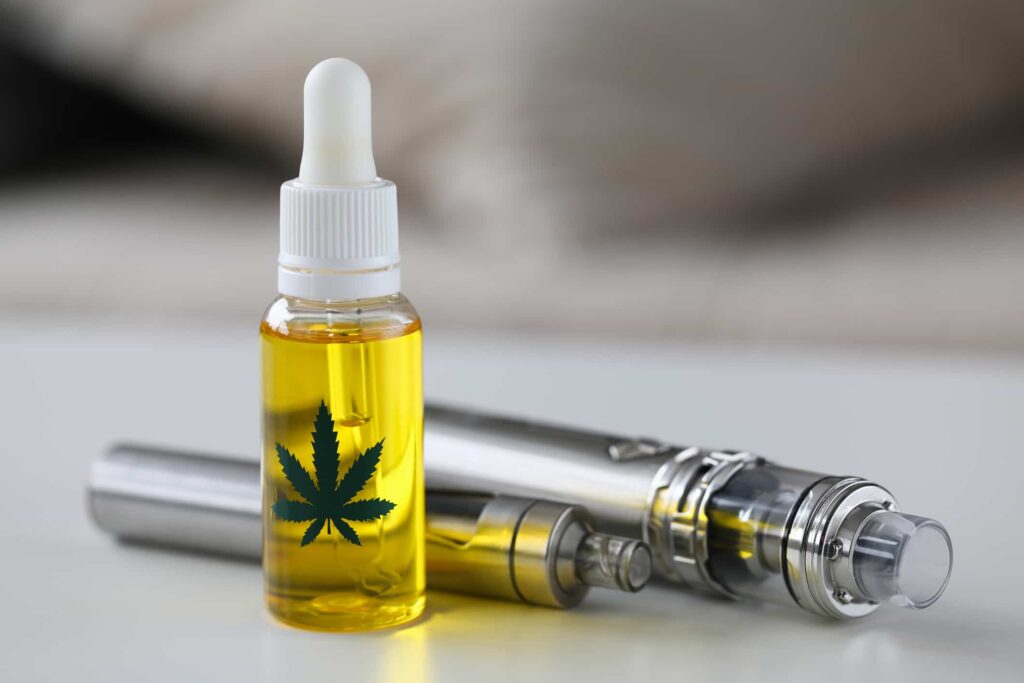
Before diving into the safety concerns, it’s important to understand what CBD is and how vaping works. CBD is a non-intoxicating compound found in the cannabis plant. Unlike THC, CBD does not make you “high.” Vaping CBD involves inhaling vaporized CBD oil or e-liquid through a vape pen or similar device. Since inhalation delivers the compound directly into the bloodstream through the lungs, the effects can be felt within minutes—making it a preferred method for those seeking quick relief.
The Benefits of Vaping CBD
Many people choose to vape CBD for a variety of reasons:
- Quick Onset: Effects can be felt within minutes.
- Portable and Discreet: Vape pens are easy to carry and use in various settings.
- Customizable Dosage: Users can control how much CBD they take with each puff.
- Relaxation and Relief: Some users report reduced anxiety, pain, or sleeplessness after vaping.
However, with any method of consumption, it’s crucial to weigh the benefits against potential risks.
What Research Says About CBD Vaping Safety
1. CBD Itself Is Generally Safe
Multiple studies and reviews have found that CBD is well-tolerated in humans. According to a 2017 review published in the journal Cannabis and Cannabinoid Research, CBD has a favorable safety profile, with most people experiencing minimal to no side effects. Reported side effects—when they do occur—may include fatigue, diarrhea, and changes in appetite, and these typically happen with high oral doses.
That said, CBD safety depends heavily on the method of delivery, and vaping introduces a different set of concerns.
2. Concerns Around Vaping Devices and Additives
The primary safety issues around CBD vaping don’t typically stem from the CBD itself, but rather from the vape products and ingredients. Some studies and incidents have raised concerns about:
- Vitamin E acetate: This additive has been linked to EVALI (E-cigarette or Vaping Product Use-Associated Lung Injury) in the U.S. It is not safe to inhale and should never be present in CBD vape oils.
- Synthetic CBD or contaminants: Poor-quality or unregulated CBD products may contain synthetic cannabinoids or other harmful chemicals, which can be dangerous when inhaled.
- Heavy metals and toxins: Low-grade vape pens or cartridges can release heavy metals (like lead) or toxic substances when heated.
- lavoring agents: Some flavoring chemicals used in vape liquids, such as diacetyl, have been linked to lung damage when inhaled over time.
This highlights the importance of choosing high-quality, lab-tested CBD vape products from reputable brands.
What to Look for in a Safe CBD Vape Product
To ensure you’re vaping CBD safely, follow these tips:
- Third-party lab testing: Reputable companies provide Certificates of Analysis (COAs) that show their products are free from harmful contaminants.
- No harmful additives: Avoid products with vitamin E acetate, propylene glycol (PG), or polyethylene glycol (PEG), especially if they’re not labeled safe for inhalation.
- Organic, clean-sourced CBD: Look for products made from organically grown hemp that are free from pesticides or synthetic chemicals.
- Trusted brands only: Choose well-reviewed brands with a track record of safety, transparency, and quality.
Potential Side Effects of Vaping CBD
While many users report a smooth experience with CBD vapes, some might encounter side effects, especially if the product is not of high quality or the dosage is too high. Possible side effects include:
- Dry mouth
- Lightheadedness
- Drowsiness
- Irritation in the throat or lungs
- Coughing, especially for new users
In rare cases, particularly when using poorly manufactured vape products, individuals could experience more serious respiratory symptoms. That’s why it’s vital to know exactly what’s in your vape oil.
Also Read: Can CBD Vaping Help with Nicotine Addiction?
Is It Safer Than Smoking?
Many people turn to vaping as a less harmful alternative to smoking, and while vaping eliminates the combustion of plant material (which can release harmful tar and carcinogens), it is not entirely risk-free. However, vaping high-quality CBD oils made specifically for inhalation is generally considered safer than smoking raw hemp or cannabis.
Still, for individuals with pre-existing lung issues like asthma, COPD, or a history of respiratory infections, vaping may not be advisable. Alternative methods such as CBD tinctures, capsules, or topicals may be more suitable.
What Experts Recommend
Health professionals generally agree on a few key points:
- More research is needed on the long-term effects of vaping, including CBD.
- Avoid black market or unregulated products. Many incidents of lung injury have been linked to unregulated THC vapes, not CBD—but it’s best to err on the side of caution.
- Consult a doctor if you have any health concerns or take medications that could interact with CBD.
Final Thoughts
So, is vaping CBD safe? The short answer is yes—with caution. CBD itself is considered safe for most adults, and vaping can be a fast and effective way to experience its benefits. However, the safety of the vaping method depends heavily on the quality and transparency of the product being used. If you’re interested in vaping CBD, stick with trusted brands that provide third-party testing, avoid harmful additives, and use proper vape devices.
As the CBD industry continues to grow, so will the research into safe and effective methods of consumption. For now, being informed and choosing quality over convenience is the best way to enjoy the potential benefits of CBD vaping while minimizing any risks.