
Vaping has become one of the most popular alternatives to traditional smoking, but many users still don’t truly understand what’s inside their vape juice. Whether you’re a beginner exploring your first vape pen or a seasoned vaper wanting safer choices, knowing the ingredients is essential. Vape juice may seem simple, but each element affects flavour, vapour production, throat hit, safety, and overall experience.
In this guide, we’ll break down every core ingredient, what it does, and what to look for when choosing high-quality vape juice.
What Is Vape Juice Made Of?
Most vape juices contain the same basic components: Propylene Glycol (PG), Vegetable Glycerin (VG), flavourings, and nicotine—although some products are nicotine-free. These ingredients work together to create vapour, carry flavour, and provide the sensation users enjoy.
Understanding each ingredient helps you choose the right vape experience and avoid low-quality or harmful products.
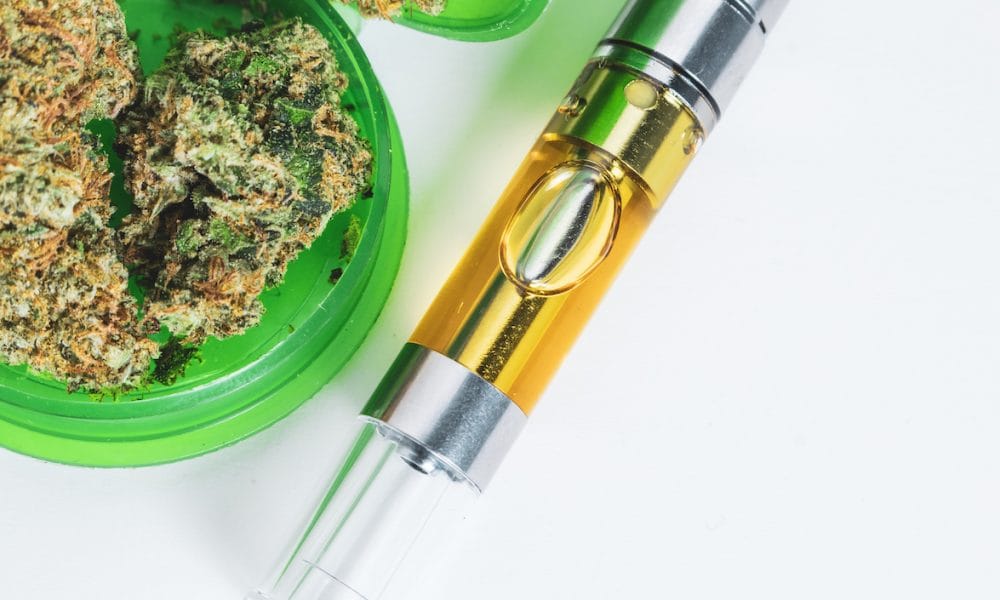
Propylene Glycol (PG): The Flavour Carrier
Propylene Glycol is a clear, odourless liquid widely used in the food, cosmetic, and pharmaceutical industries. In vape juice, its main purpose is to carry flavour effectively.
Why PG Matters
PG delivers a stronger throat hit—similar to traditional cigarettes. For users trying to quit smoking, this sensation can feel familiar and satisfying.
A higher PG blend (like 70% PG) is ideal for:
- People who prefer sharp throat hits
- Those using low-wattage or pod devices
- Users who want more flavour intensity
Is PG Safe?
PG is generally recognised as safe for consumption and inhalation in regulated quantities. However, some people experience sensitivity, dryness, or irritation. If you feel discomfort, switching to a higher VG blend may help.
Vegetable Glycerin (VG): The Vapour Creator
VG is a thicker, naturally derived liquid made from vegetable oils. Its main role in vape juice is producing dense clouds and adding sweetness.
Why VG Is Important
High-VG vape juices (like 70% VG) are popular among users who enjoy:
- Smooth, mellow hits
- Big vapour clouds
- Slightly sweeter flavour profiles
This makes VG-heavy juices ideal for sub-ohm vapers or cloud-chasing enthusiasts.
Is VG Safe?
Like PG, VG is considered safe and is commonly used in food and skincare products. It is more gentle on the throat, making it a great choice for people with PG sensitivity.
Nicotine: Optional But Impactful
Nicotine is not present in all vape juices, but many users choose it to manage cravings. Vape juice usually comes in multiple strengths, ranging from 0 mg (nicotine-free) to 50 mg (common in nicotine salts).
Types of Nicotine in Vape Juice
Freebase Nicotine
This is the traditional form of nicotine used in standard vape juices. It provides:
- A stronger throat hit
- Slower absorption
- Best performance in higher-powered devices
Nicotine Salt
Nic salts are smoother and absorb faster. They are recommended for:
- Beginners
- Users wanting higher nicotine levels
- Pod systems designed for low-wattage vaping
Is Nicotine Safe?
Nicotine is addictive, but vaping allows users to choose their dosage. Many vapers gradually reduce their nicotine intake over time, making vaping a useful harm-reduction method compared to cigarettes.
Vape Juice Flavourings: Natural and Artificial
Flavourings make vaping enjoyable and come in endless varieties—fruit, mint, dessert, beverage, candy, and even tobacco profiles.
What Type of Flavours Are Used?
Vape flavours are often food-grade, meaning they are similar to those used in candies and baked goods. This includes:
- Natural extracts
- Artificial flavour compounds
- Sweeteners (sparingly used)
Are Flavourings Safe?
Flavourings are food-safe, but inhalation safety can vary. That’s why choosing brands that follow strict testing standards is crucial. Avoid juices containing diacetyl, a chemical historically linked to lung issues, though it is now banned in many countries.
Distilled Water: A Minor Yet Useful Ingredient
Some vape juices contain small amounts of distilled water to thin thicker liquids and improve wicking.
Why Distilled Water Is Added
This helps:
- Improve flow for VG-heavy juices
- Reduce harshness
- Enhance coil lifespan
Although optional, it can make a noticeable difference in smoothness.
Additives and Sweeteners: What to Watch Out For
Some low-quality vape juices include excessive sweeteners, colourings, or unnecessary additives that can damage coils or affect health.
Common Additives Found in Poor-Quality Juices
- Food dyes
- Too much sucralose
- Unknown chemical compounds
- Unregulated flavouring agents
High-quality brands avoid these ingredients or use them minimally.
How to Read a Vape Juice Label the Right Way
Understanding labels helps you choose safe and authentic products. When inspecting a vape juice bottle, look for:
Key Things to Check
- PG/VG ratio
- Nicotine strength
- Expiry date
- Batch number
- Ingredient list
- Manufacturer details
A transparent brand will always include all this information clearly.
Choosing the Right PG/VG Ratio for Your Needs
The PG/VG ratio has a huge impact on your vaping experience.
Best Ratios Based on Vaping Style
- 50/50 – Balanced flavour, vapour, and throat hit; best for beginners
- 70/30 VG – Smooth hits and large clouds
- 70/30 PG – Strong throat hit and maximum flavour
- Max VG – Ideal for cloud-chasing
Your device type also matters, as some juices work better with specific coils or wattages.
Why Quality Matters: Cheap Vape Juice Risks
Not all vape juices are created equal. Low-cost products often cut corners, leading to potential risks.
What Happens with Low-Quality Vape Juice?
- Coil burns faster
- Artificial or harsh taste
- Possible contamination
- Lower purity level
- Unregulated ingredients
Choosing reputable brands ensures safety, better flavour, and a longer device lifespan.
Tips for Choosing Safe and High-Quality Vape Juice
When shopping for vape juice online or in stores, keep these points in mind:
What to Look For
- Third-party lab testing
- Clear ingredient transparency
- Made in certified facilities
- No diacetyl
- Positive customer reviews
- Premium-grade nicotine and flavourings
High-quality companies openly share safety reports and follow strict manufacturing standards.
Read Also : The Pros and Cons of Vaping CBD: What Science Says
Final Thoughts: Know What You’re Inhaling
Understanding what’s inside your vape juice is the first step toward safer and more satisfying vaping. By knowing the purpose of each ingredient—PG, VG, nicotine, and flavourings—you can choose blends that match your preferences and avoid low-quality products. Always prioritise transparency, lab-tested liquids, and trusted brands to ensure you’re inhaling only what you intend to.